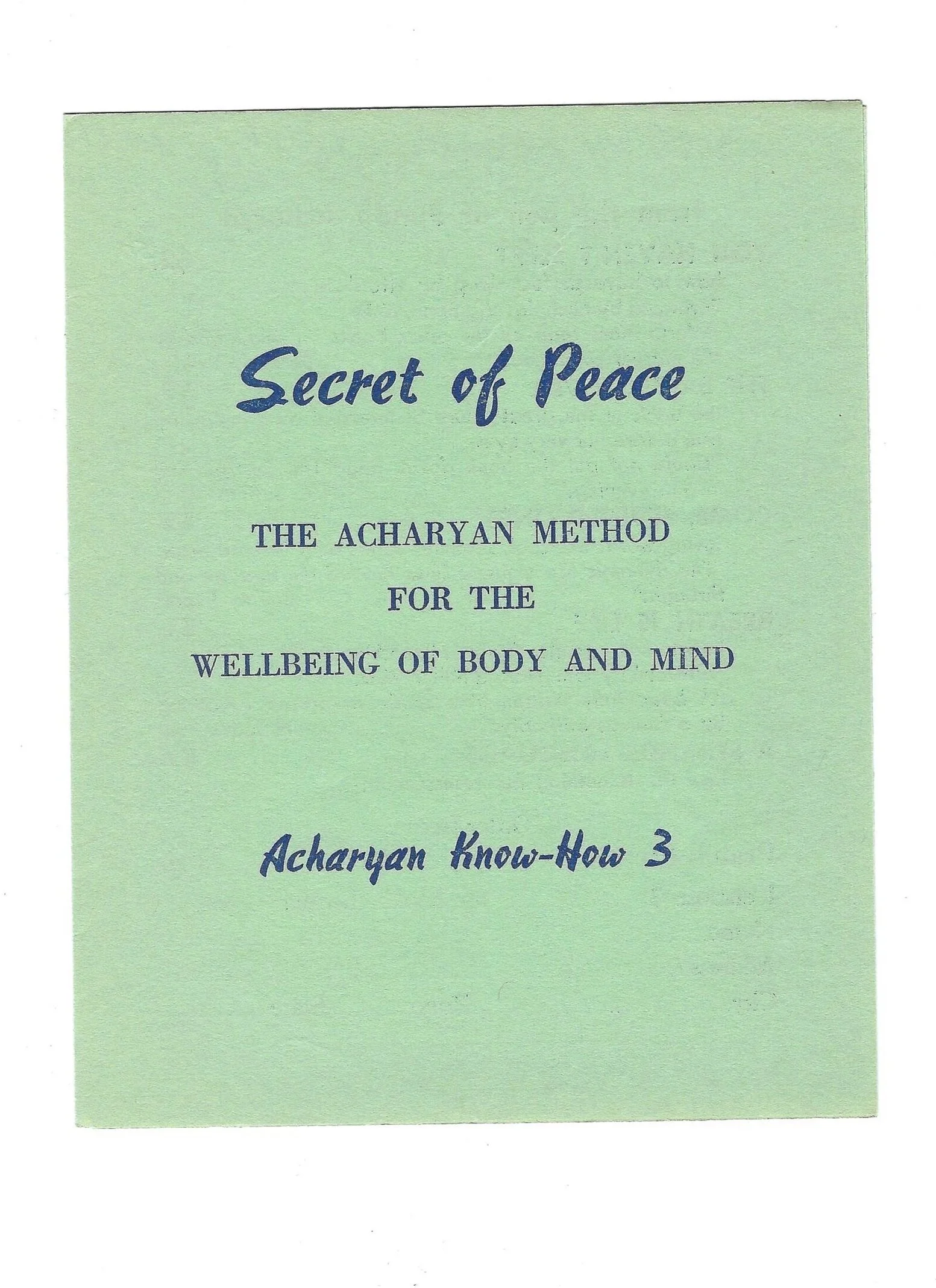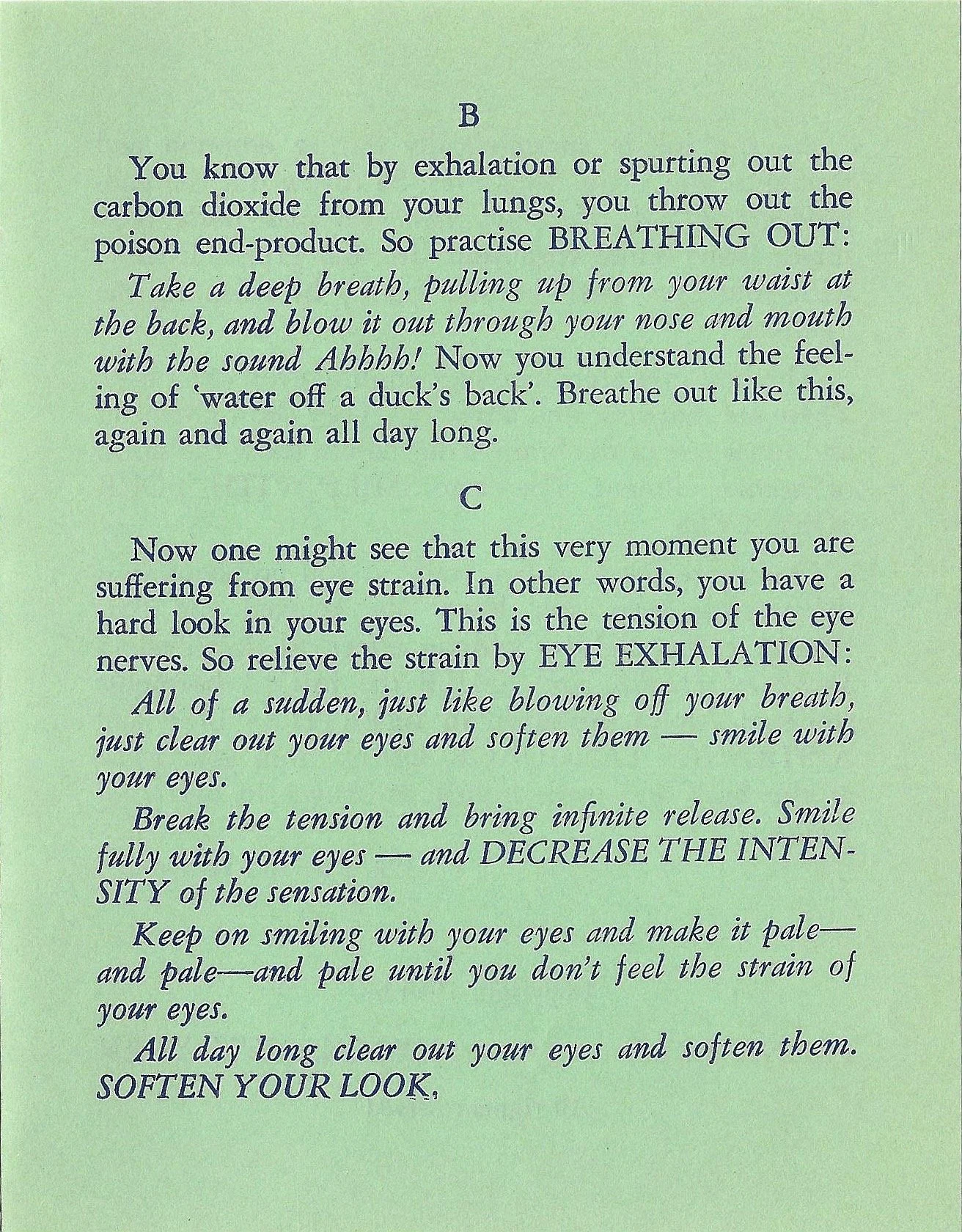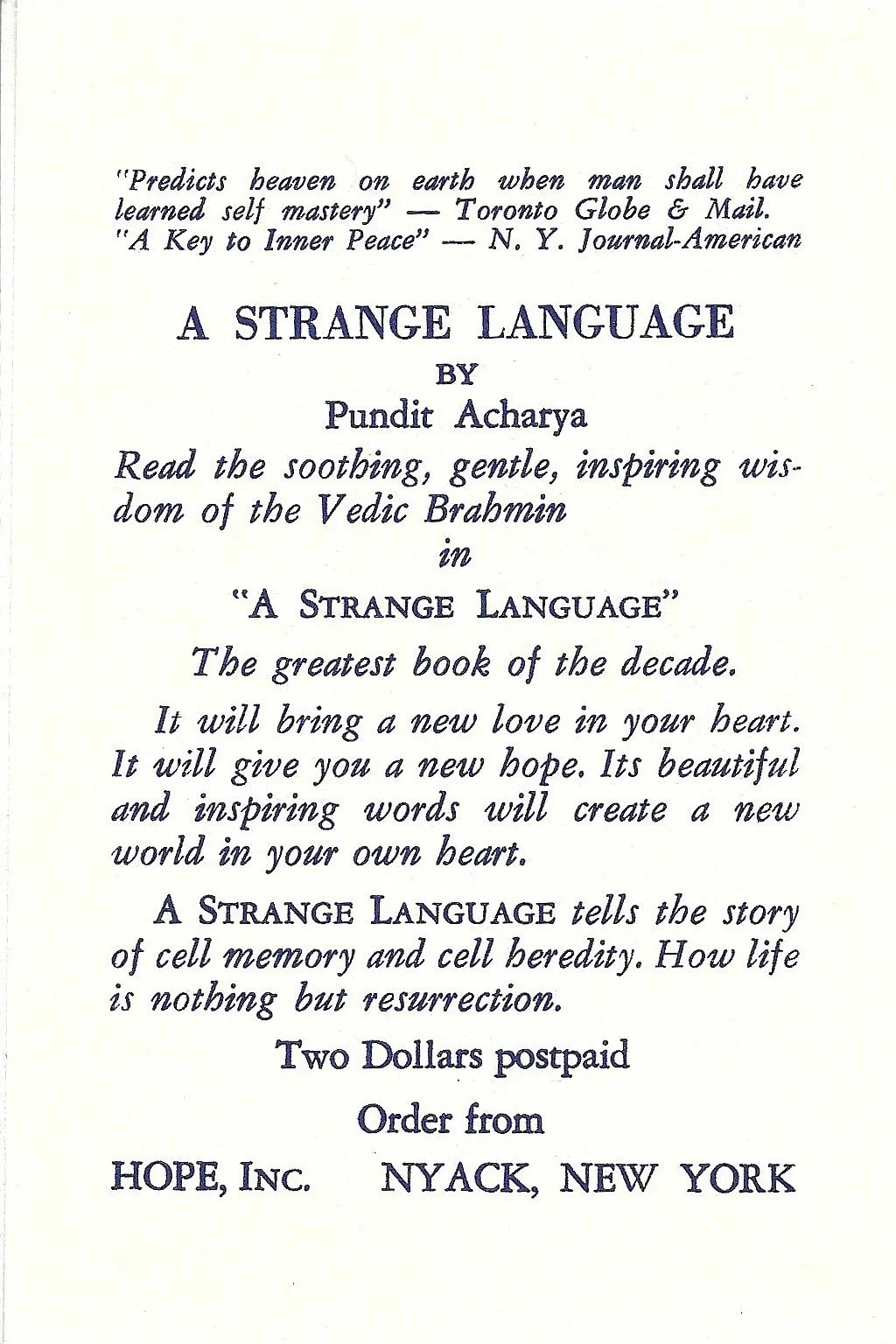
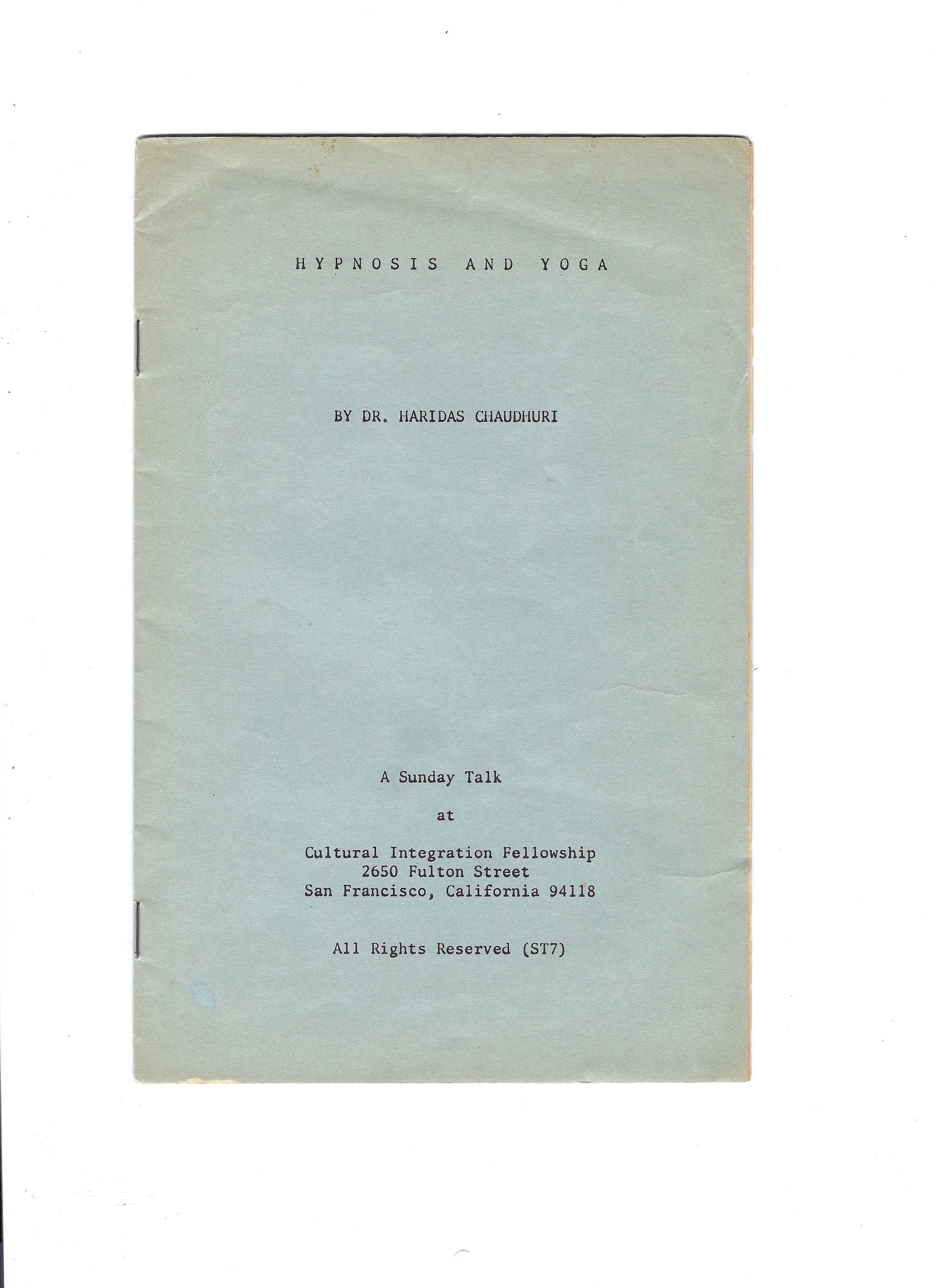
Cultural Integration Fellowship: 2650 Fulton, San Francisco. Circa 1965.
Staple-bound blue wrappers. 10 pp., [2]. CONDITION: Good, toning to edges of covers, slight folds to margins of front wrapper, some worming to rear cover, occasional creases, faint pencil underlining at pgs. 6 and 7, binding sound and text overall clean.
An apparently unrecorded transcript of a lecture delivered by the first Integral Philosopher in the United States.
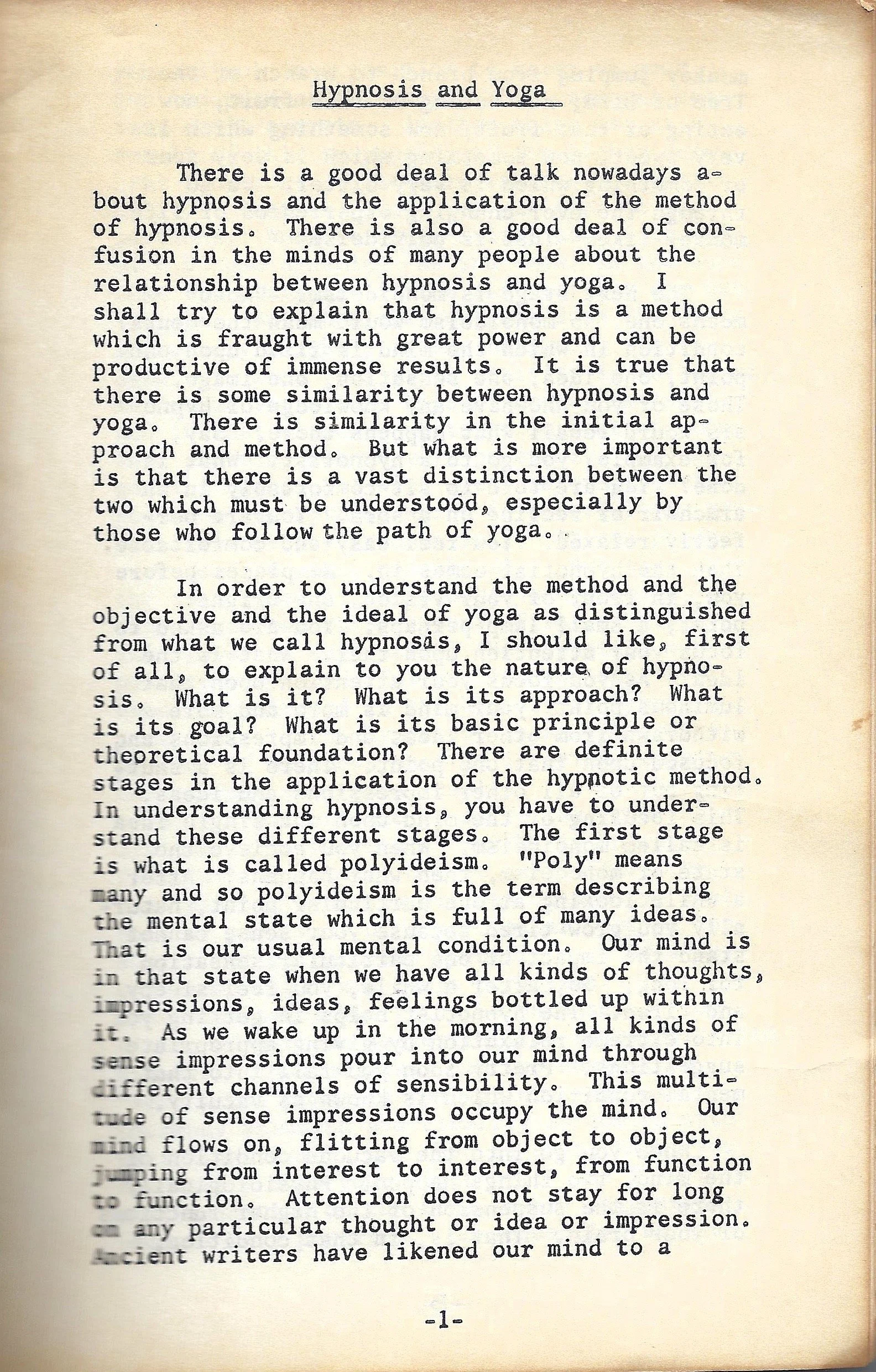
Chaudhuri’s lecture related the similarities and emphasizes “vast distinction” between hypnosis and yoga. The former is described as a subject’s mind “proceeding…from poly-ideism to mono-ideism to the mental condition of…receptivity,” while in yoga, the subject’s mind proceeds “from poly-ideism to mono-ideism to detached selfobservation to ego transcendence.” The hypnotized subject “becomes extremely receptive to the suggestions made by the hypnotist,” while “the yogi aims to discover the inmost center of his own being.” The lecture was delivered at the present-day California Institute of Integral Studies, which Chaudhuri and his wife, Bina, had established as the Cultural Integration Fellowship in 1951.
Haridas Chaudhuri (1913–1975) was a Bengali philosopher and lecturer who came to the United States after the Second World War. While in India, he came under the tutelage of Sri Aurobindo (also known as Aurobindo Ghosh), an Indian nationalist who became a spiritual renunciant and founded a syncretic religion known as “Integral Yoga.” Chaudhuri was a member of Aurobindo’s spiritual community (the ashram) in Pondicherry, and served as the chair of the Philosophy department at Krishnagar College in Bengal. In 1951, he was invited to join the newly formed American Academy of Asian Studies in San Francisco (some speculate on the recommendation of a fellow Integral yogi), and almost immediately began speaking on “The Spirit of Indian Culture,” “The Unity of Religion,” “Indian Art,” and related topics. He gave occasional lectures at Stanford, and participated in radio programs that were hosted and broadcast by Berkeley. He was a prolific author, pioneered his own psychological treatments (via a method he called “Integral Psychology”), and brought a modern “academic” understanding to Indian spirituality.
As of November 2024, this lecture is unrecorded both in OCLC and in the California Institute of Integral Studies’ archive.
Sources Consulted: “Haridas Chaudhuri Lectures” at Digital Commons of CIIS online.
Cultural Integration Fellowship: 2650 Fulton, San Francisco. Circa 1965.
Staple-bound blue wrappers. 10 pp., [2]. CONDITION: Good, toning to edges of covers, slight folds to margins of front wrapper, some worming to rear cover, occasional creases, faint pencil underlining at pgs. 6 and 7, binding sound and text overall clean.
An apparently unrecorded transcript of a lecture delivered by the first Integral Philosopher in the United States.
Chaudhuri’s lecture related the similarities and emphasizes “vast distinction” between hypnosis and yoga. The former is described as a subject’s mind “proceeding…from poly-ideism to mono-ideism to the mental condition of…receptivity,” while in yoga, the subject’s mind proceeds “from poly-ideism to mono-ideism to detached selfobservation to ego transcendence.” The hypnotized subject “becomes extremely receptive to the suggestions made by the hypnotist,” while “the yogi aims to discover the inmost center of his own being.” The lecture was delivered at the present-day California Institute of Integral Studies, which Chaudhuri and his wife, Bina, had established as the Cultural Integration Fellowship in 1951.
Haridas Chaudhuri (1913–1975) was a Bengali philosopher and lecturer who came to the United States after the Second World War. While in India, he came under the tutelage of Sri Aurobindo (also known as Aurobindo Ghosh), an Indian nationalist who became a spiritual renunciant and founded a syncretic religion known as “Integral Yoga.” Chaudhuri was a member of Aurobindo’s spiritual community (the ashram) in Pondicherry, and served as the chair of the Philosophy department at Krishnagar College in Bengal. In 1951, he was invited to join the newly formed American Academy of Asian Studies in San Francisco (some speculate on the recommendation of a fellow Integral yogi), and almost immediately began speaking on “The Spirit of Indian Culture,” “The Unity of Religion,” “Indian Art,” and related topics. He gave occasional lectures at Stanford, and participated in radio programs that were hosted and broadcast by Berkeley. He was a prolific author, pioneered his own psychological treatments (via a method he called “Integral Psychology”), and brought a modern “academic” understanding to Indian spirituality.
As of November 2024, this lecture is unrecorded both in OCLC and in the California Institute of Integral Studies’ archive.
Sources Consulted: “Haridas Chaudhuri Lectures” at Digital Commons of CIIS online.
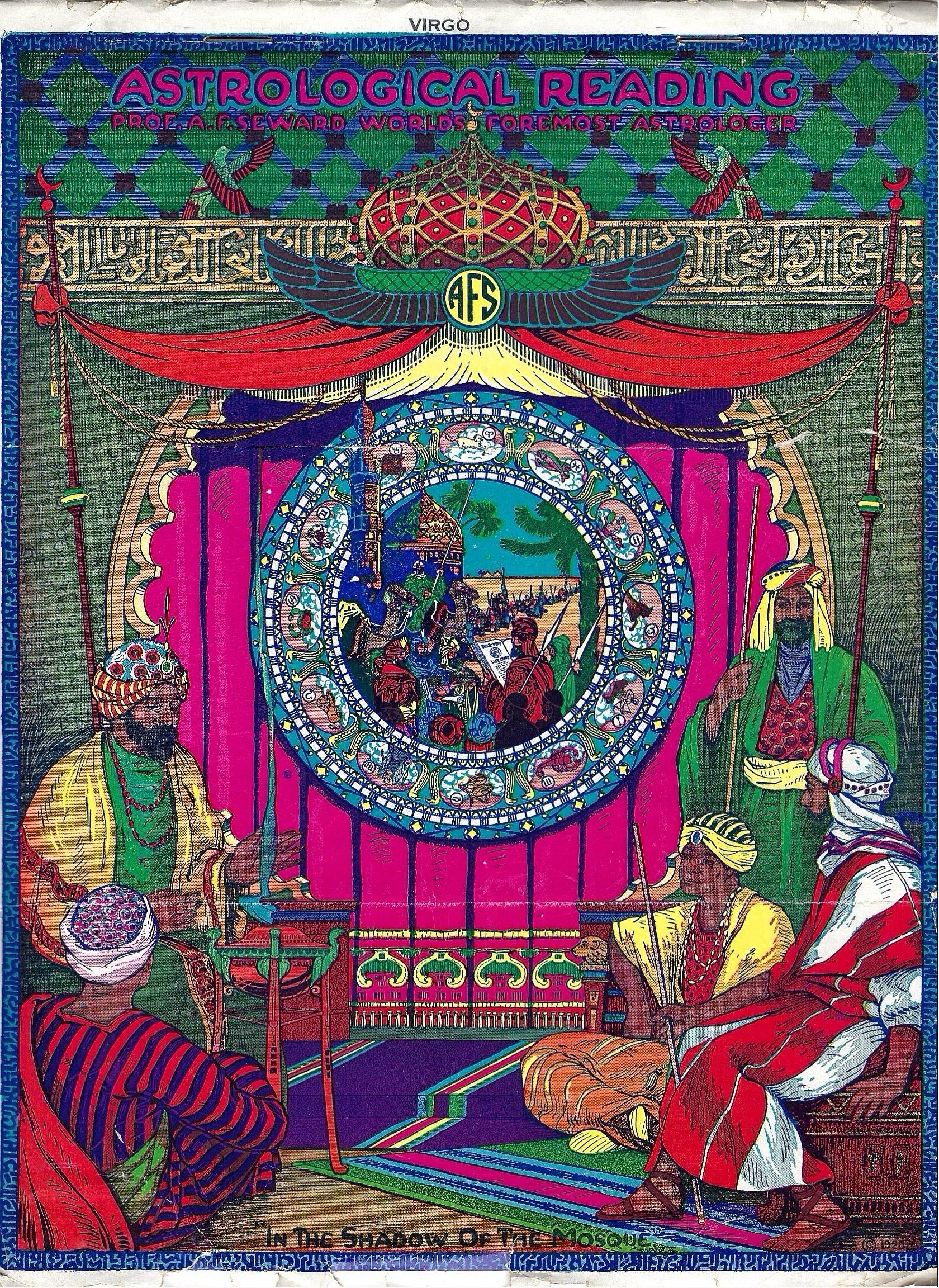
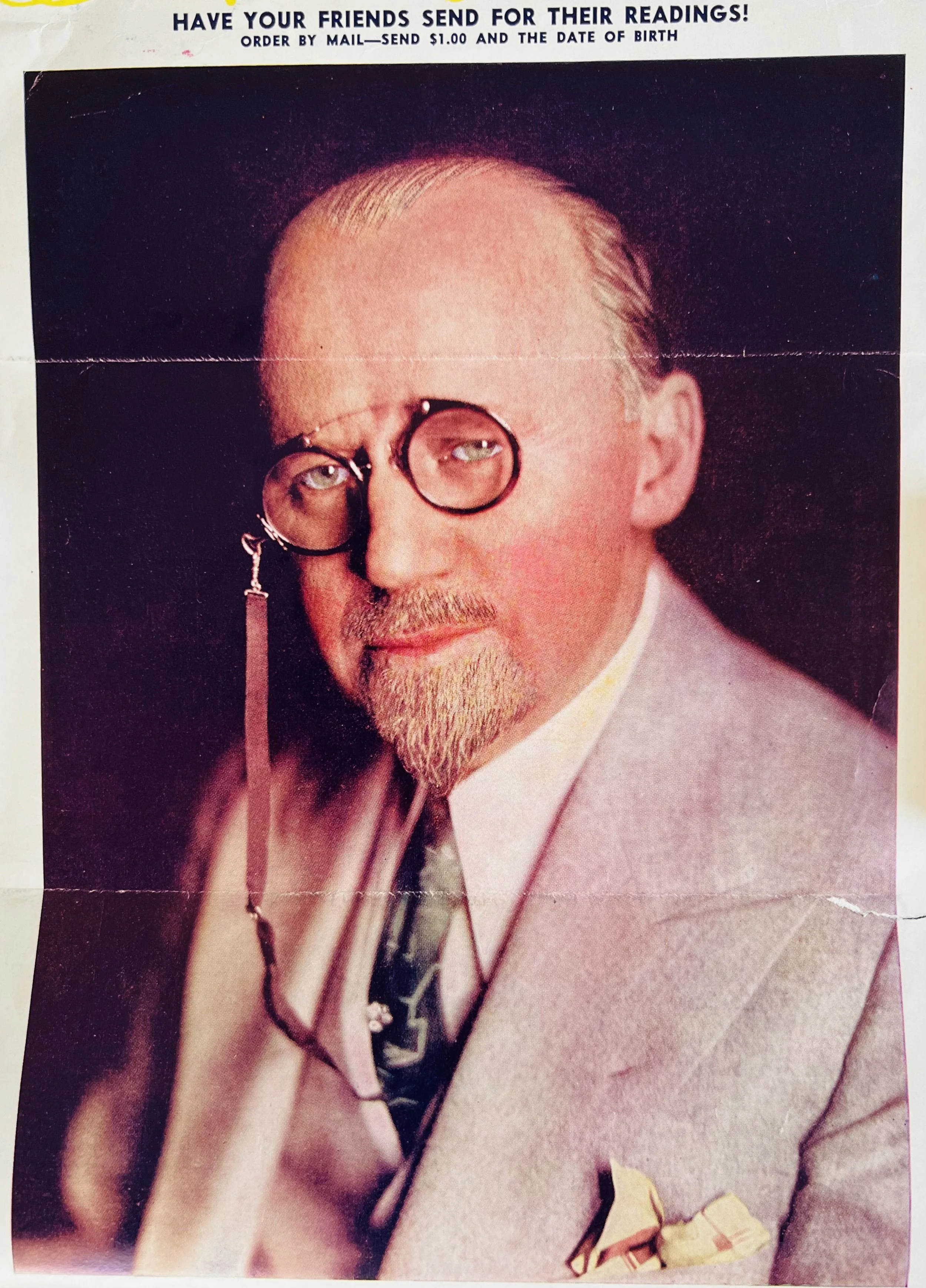
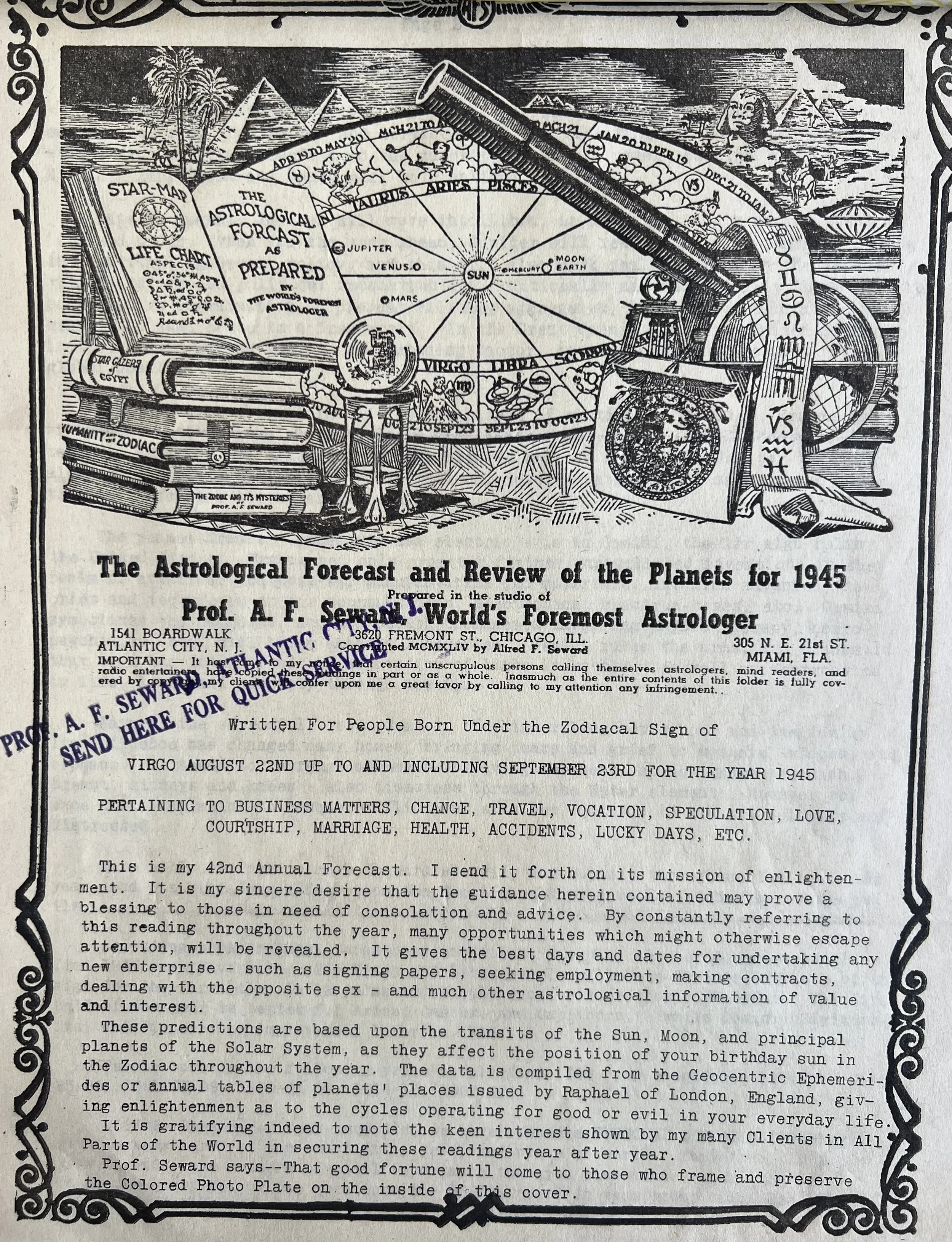
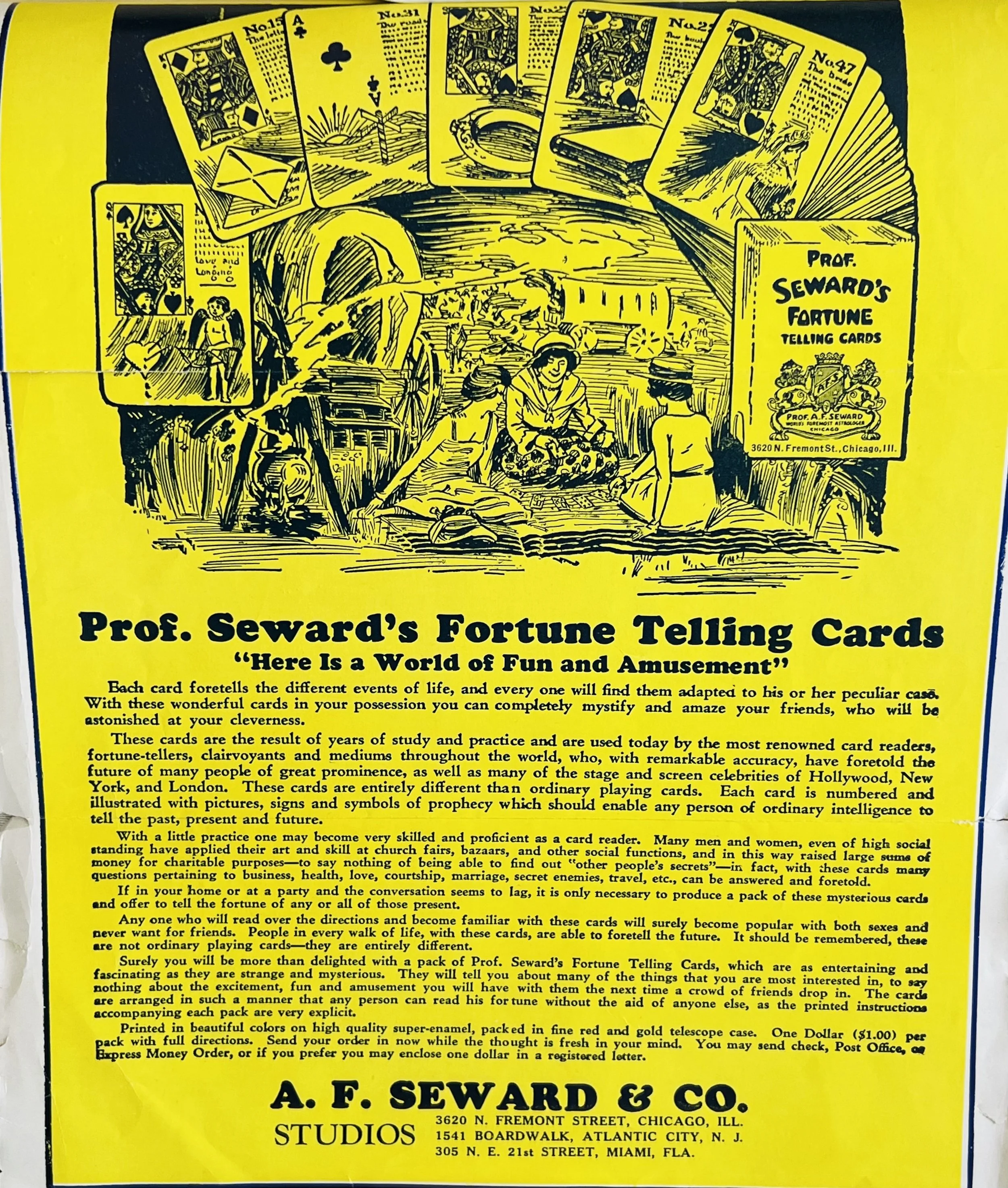
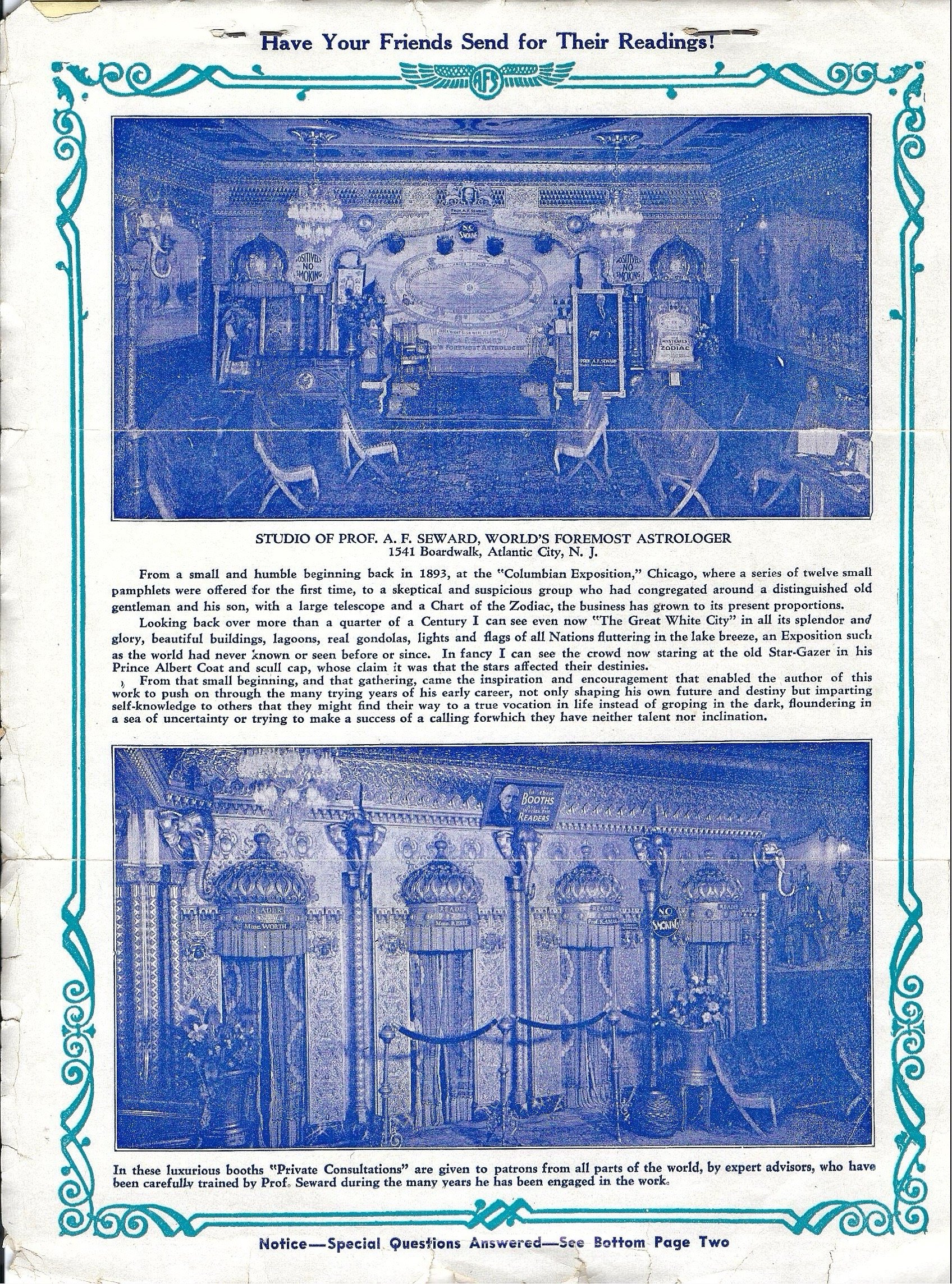
![Pundit Acharya. Studies in Neuro-Bio-Electronics: The Doctor’s Book of Yogas. Vol. 1 [with] Studies in Neuro-Bio-Electronics: Training of the Brain by the Brain. Vol. 2 [with 3 pieces of ephemera].](https://images.squarespace-cdn.com/content/v1/687efeb0f3827b1e917a0b60/d0e3a66c-eb7e-4867-afa4-03e5730ae75b/AcharyaElectronicsCover.jpeg)