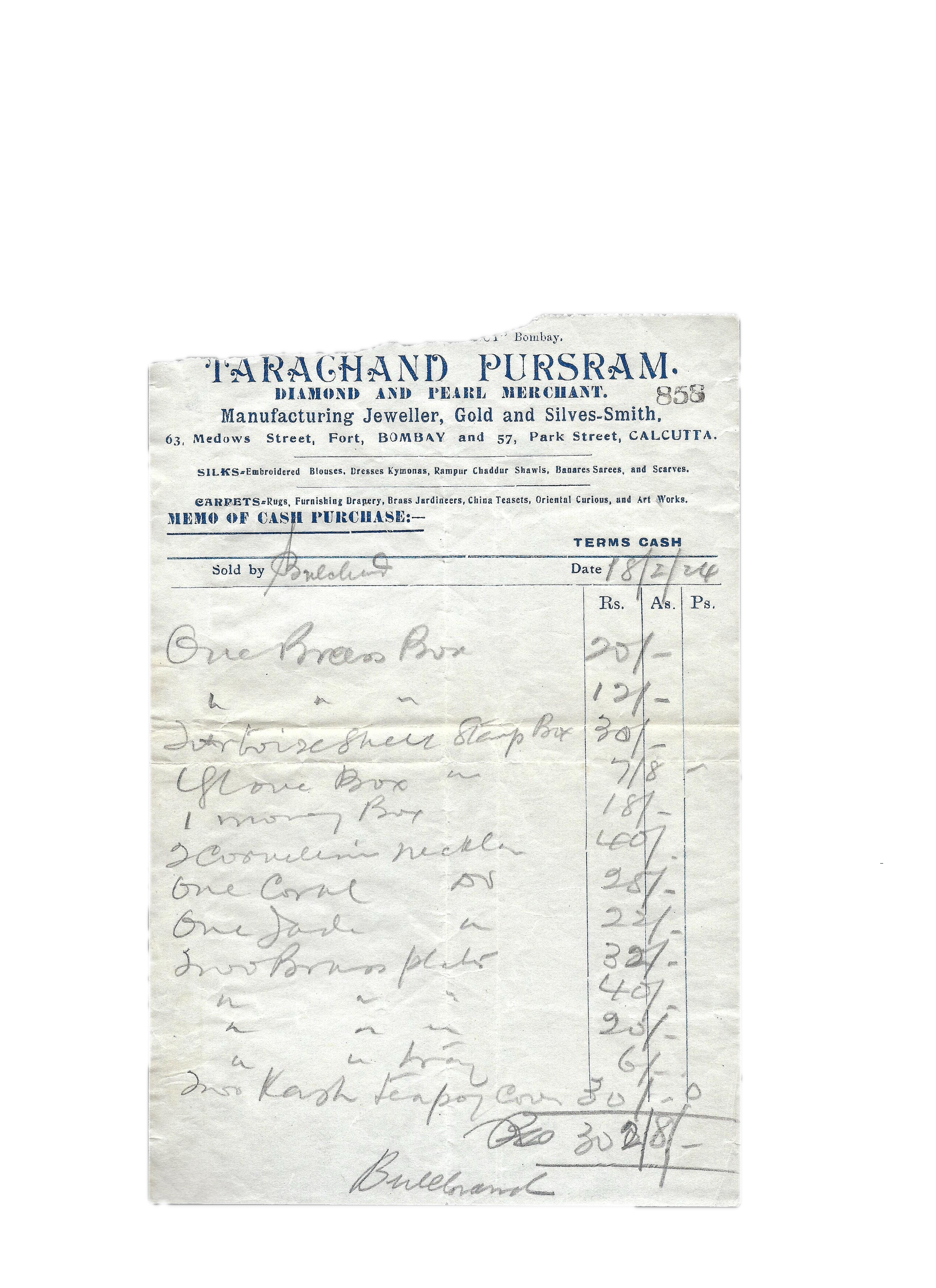
[Tarachand Pursram]: 63, Meadows Street, Fort, Bombay and 57, Park Street, Calcutta. February 1924.
Single sheet, 8” x 5.25”. Inscription in pencil and printed text at recto only. Black inkstamp reading “858” at upper right corner of letterhead. CONDITION: Very good, old folds, slight loss at upper margin.
A well-preserved page recording the sale of fine jewelry and artware from a distinguished curio and stone merchant based in Bombay and Calcutta.
This sheet is the invoice of a purchase from a sale made by one Bulchand, to an unnamed buyer, of goods offered inside Tarachand Pursram’s store, either in Bombay or Calcutta. Among the commodities sold were a “tortoise shell stamp box” for thirty rupees, one “brass box” for twenty rupees, a jade for twenty-eight rupees, two brass plates for thirty-two rupees, and two seemingly Kashmiri teapots, for thirty rupees. The customer’s bill totaled to three-hundred-and-two rupees and eight annas, which is approximately a thirty-three thousand rupee bill adjusted for modern inflation (this is approximately three-hundred and forty American dollars). From this, we presume that Pursram attracted a solidly middle-class following, who would appreciate not only his precious stones and jewelry, but also his “silks—embroidered blouses…banares sarees” and “rugs…China teasets, Oriental Curios” and more. It appears that at least some portion of Pursram’s clientele was Anglo-European, as we find a report in the August 1910 issue of the Bombay Gazette recounting how “a European lady, Mrs. Bannerjee…stood in front of the shop owned by Messrs. Tarachand Parsuram…and threw several brick bats at a large glass window, smashing it to pieces.”
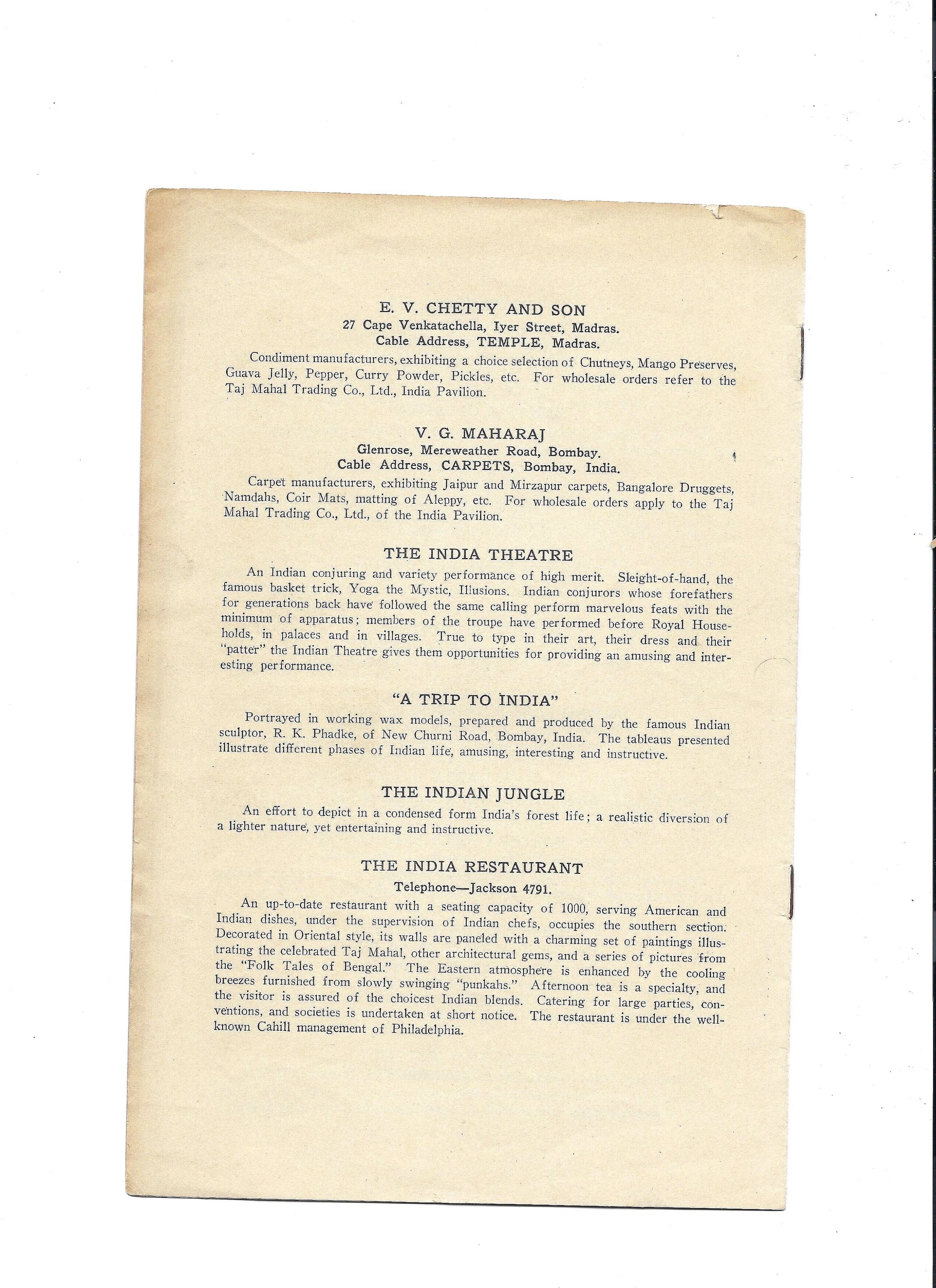
We find a brief note on Tarachand Pursram’s operation in Watt’s Official catalogue of the Delhi exhibition, 1902-1903, where he notes that the “firm has an extensive display of both old and new jewellery and all forms of Indian artwares…The firm has branches in Calcutta and Rangoon and conduct an extensive business as dealers in art curios as well as being jewellers, diamond merchants, and silver-smiths.” They appear to have been established, with the Raj’s blessings, as early as 1860.
[Tarachand Pursram]: 63, Meadows Street, Fort, Bombay and 57, Park Street, Calcutta. February 1924.
Single sheet, 8” x 5.25”. Inscription in pencil and printed text at recto only. Black inkstamp reading “858” at upper right corner of letterhead. CONDITION: Very good, old folds, slight loss at upper margin.
A well-preserved page recording the sale of fine jewelry and artware from a distinguished curio and stone merchant based in Bombay and Calcutta.
This sheet is the invoice of a purchase from a sale made by one Bulchand, to an unnamed buyer, of goods offered inside Tarachand Pursram’s store, either in Bombay or Calcutta. Among the commodities sold were a “tortoise shell stamp box” for thirty rupees, one “brass box” for twenty rupees, a jade for twenty-eight rupees, two brass plates for thirty-two rupees, and two seemingly Kashmiri teapots, for thirty rupees. The customer’s bill totaled to three-hundred-and-two rupees and eight annas, which is approximately a thirty-three thousand rupee bill adjusted for modern inflation (this is approximately three-hundred and forty American dollars). From this, we presume that Pursram attracted a solidly middle-class following, who would appreciate not only his precious stones and jewelry, but also his “silks—embroidered blouses…banares sarees” and “rugs…China teasets, Oriental Curios” and more. It appears that at least some portion of Pursram’s clientele was Anglo-European, as we find a report in the August 1910 issue of the Bombay Gazette recounting how “a European lady, Mrs. Bannerjee…stood in front of the shop owned by Messrs. Tarachand Parsuram…and threw several brick bats at a large glass window, smashing it to pieces.”
We find a brief note on Tarachand Pursram’s operation in Watt’s Official catalogue of the Delhi exhibition, 1902-1903, where he notes that the “firm has an extensive display of both old and new jewellery and all forms of Indian artwares…The firm has branches in Calcutta and Rangoon and conduct an extensive business as dealers in art curios as well as being jewellers, diamond merchants, and silver-smiths.” They appear to have been established, with the Raj’s blessings, as early as 1860.
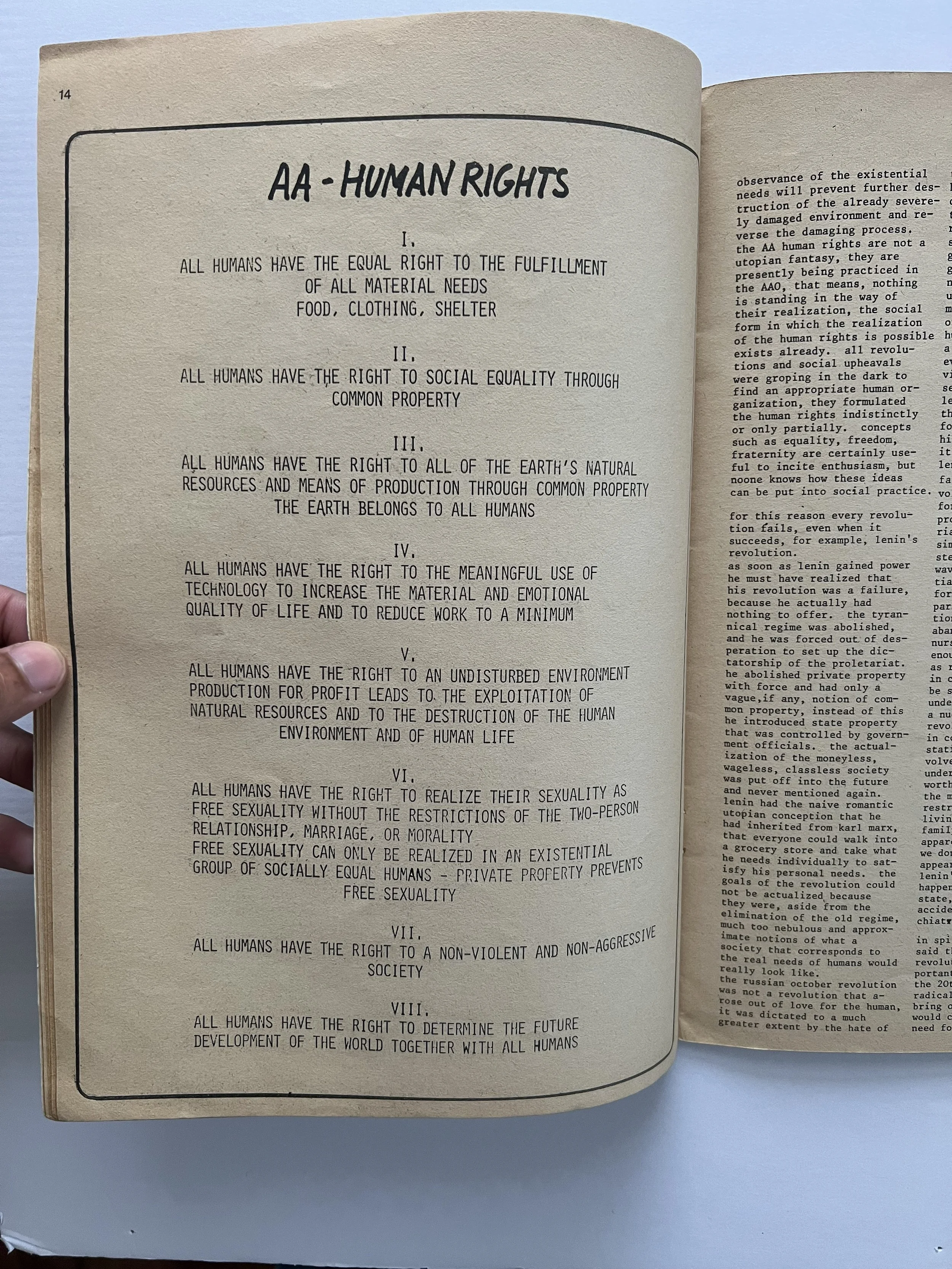
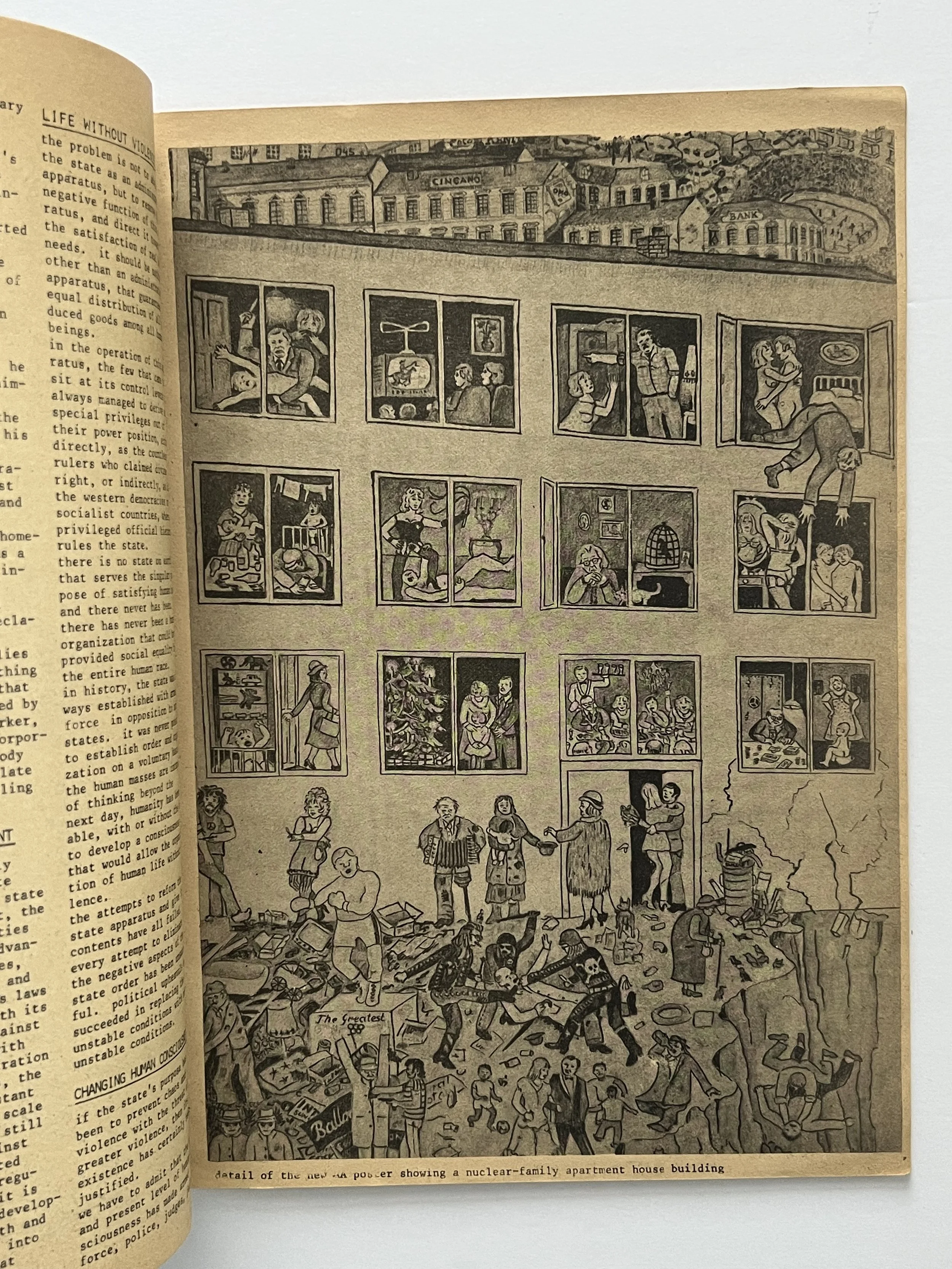
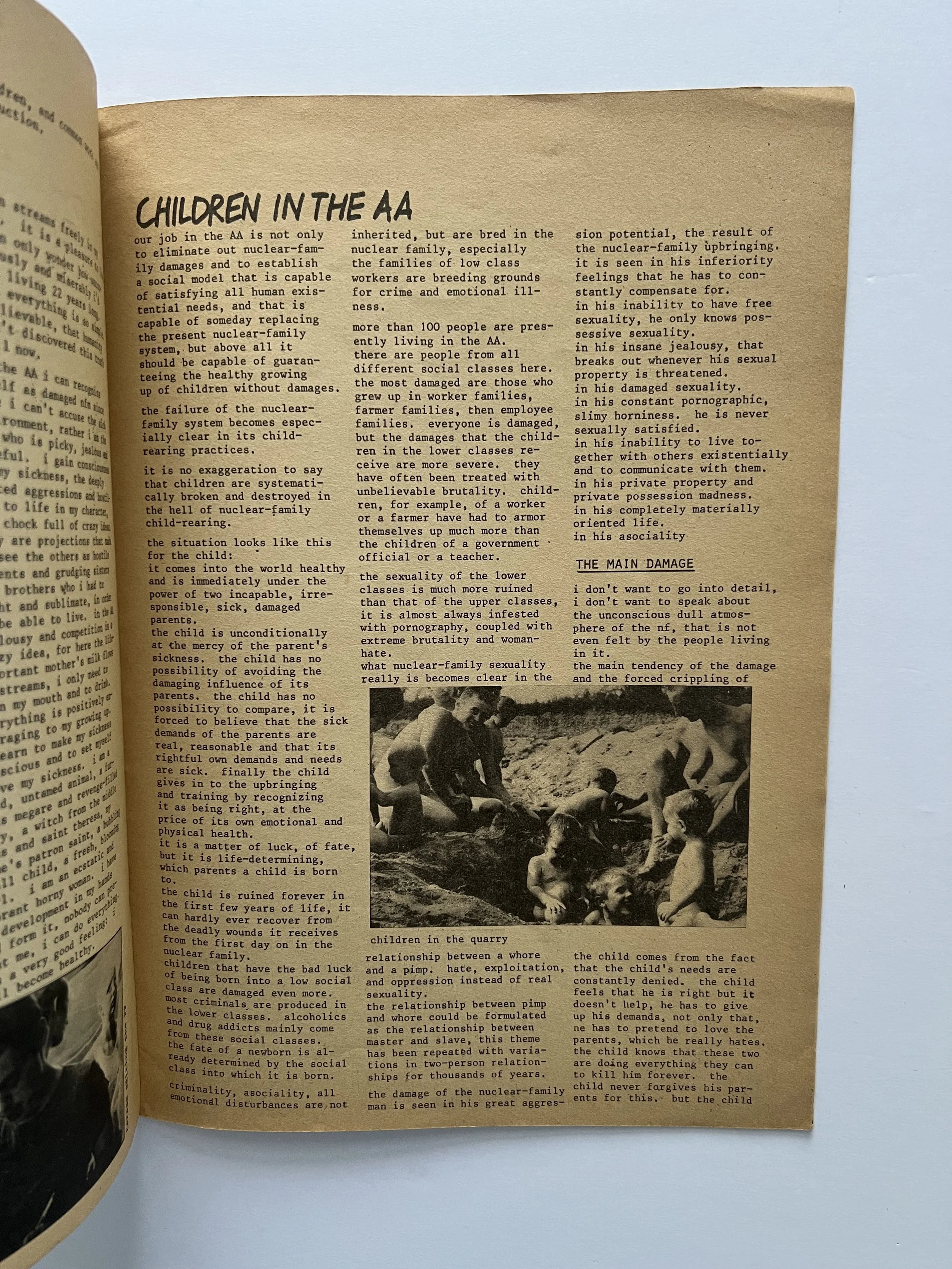
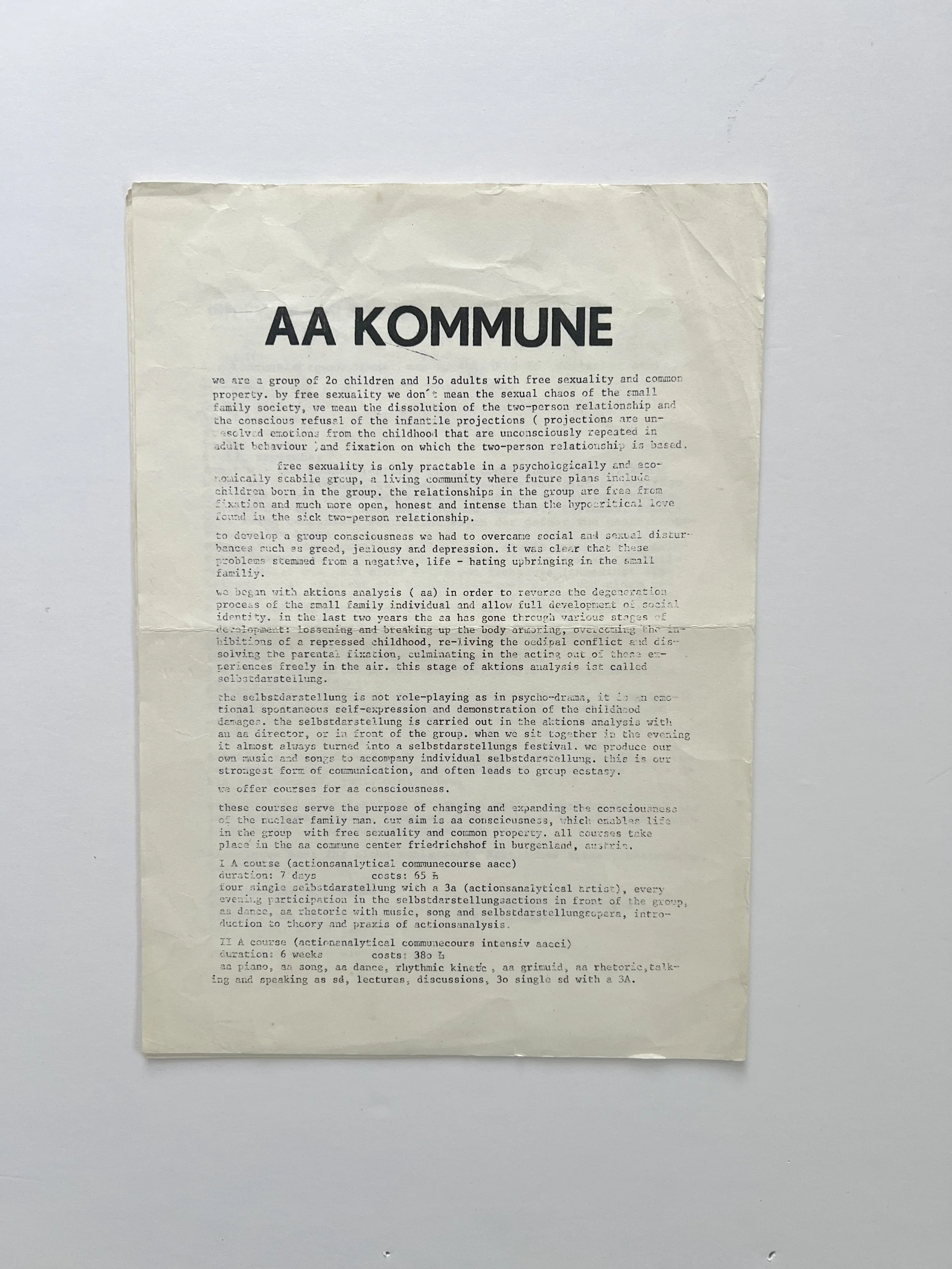
![[Aktionsanalytische Organisation]. [The Commune of the Viennese Aktionists].](https://images.squarespace-cdn.com/content/v1/687efeb0f3827b1e917a0b60/4b8f60c3-1f5e-4e55-9ce8-fefc875f2236/IMG_2585.jpeg)
![[Portrait of a domestic servant in Ottoman Turkey].](https://images.squarespace-cdn.com/content/v1/687efeb0f3827b1e917a0b60/6487c241-402e-4aca-8016-484e8cd26687/TurbanManWatercolorScn.jpg)